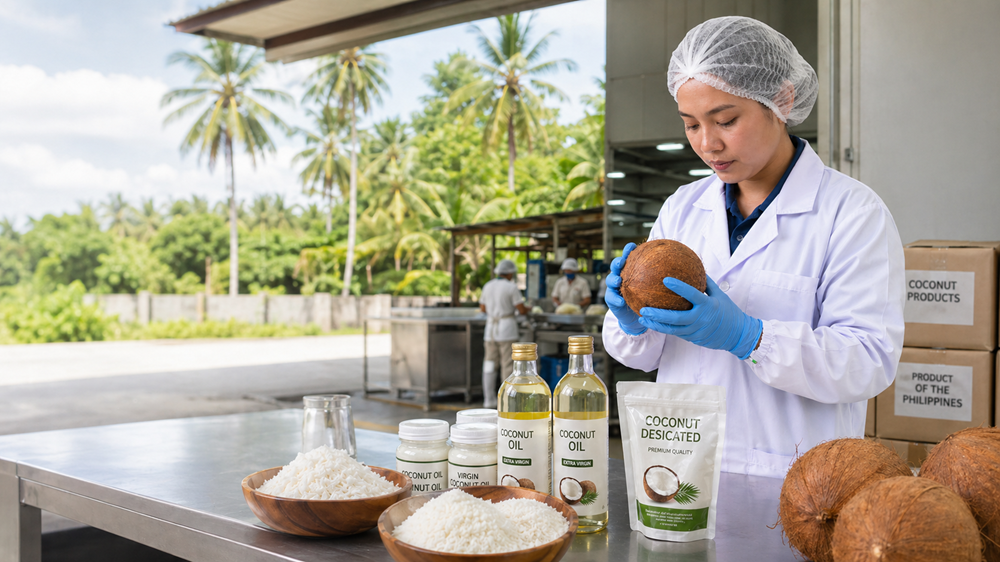
Philippines Inspection Company’s Role in Coconut Product Quality Assurance
The coconut industry is growing fast, especially in export markets. For businesses working in this space, quality is critical. This is where a Philippine Inspection Company plays an important role. From checking raw materials to verifying finished goods, inspection services help ensure that coconut products meet buyer expectations and global standards.
For businesses that have already started inspecting coconut-related products, this is also a strong path for growth. Expanding in this niche requires consistent quality control and reliable inspection processes.
Why Coconut Product Quality Matters
Coconut products are widely used in food, cosmetics, and industrial applications. These include coconut oil, desiccated coconut, and copra. Each product must meet strict quality standards. Even small defects can lead to major issues. High moisture levels, contamination, or poor packaging can result in rejected shipments. This not only causes financial loss but also affects long-term business relationships. To avoid these risks, businesses need strong quality systems in place. This is where inspection services become essential.
The Role of Inspection in Coconut Supply Chains
Inspection is not just about checking finished goods. It covers the entire supply chain. A Philippines Inspection Company helps monitor each stage to ensure consistent quality.
1. Raw Material Checks
The process starts with raw coconuts. Inspectors verify freshness, maturity, and condition. Poor raw materials often lead to poor final products.
2. Production Monitoring
During processing, inspectors check if proper methods are followed. This includes drying, oil extraction, and handling. Any mistake at this stage can affect quality.
3. Final Product Inspection
Before shipment, finished goods are inspected. This includes checking weight, appearance, and packaging. It ensures that products match buyer specifications.
4. Loading Supervision
Proper loading is important for export. Inspectors ensure that goods are packed safely and loaded correctly to avoid damage during transport.
Common Quality Issues in Coconut Products
Businesses expanding into coconut inspections should understand common risks. These include:
- High moisture content
- Mould or contamination
- Inconsistent texture or color
- Poor packaging
- Incorrect labeling
These problems can lead to shipment rejection. Regular inspections help detect these issues early.
How Quality Control Supports Business Expansion
For businesses already involved in coconut inspection, scaling operations require consistency. This is where quality control companies provide strong support. They help standardise inspection processes. They also ensure that quality checks are consistent across different suppliers and batches. This is important when working with multiple farms or processing units.
By maintaining high standards, businesses can build trust with buyers. This opens the door to larger orders and long-term partnerships.
Supplier Audits and Their Importance
In addition to inspections, supplier audits play a key role. Audits assess the capability of farms and processing facilities. They check hygiene, safety, and production practices. A reliable supplier is critical for maintaining quality. Audits help identify risks before production even begins. This reduces the chances of defects later in the process.
For coconut products, audits can also check storage conditions and handling practices. These factors directly affect product quality.
Supporting Export Compliance
Coconut products are often exported to markets with strict regulations. These include food safety standards and labelling requirements.
Inspection services help ensure compliance with these rules. They verify that products meet both buyer and regulatory requirements. This reduces the risk of delays or rejection at the destination. Working with an inspection company in the Philippines gives businesses better control over compliance. It also improves confidence when dealing with international buyers.
Building a Strong Inspection System
To grow in the coconut inspection business, companies need a structured approach. This includes:
1. Clear Quality Standards
Define what acceptable quality looks like. This should include measurable criteria.
2. Regular Inspections
Conduct inspections at different stages. Do not rely only on final checks.
3. Detailed Reporting
Inspection reports should be clear and easy to understand. They should highlight issues and suggest actions.
4. Continuous Improvement
Use inspection results to improve processes. This helps reduce defects over time.
The Future of Coconut Product Inspections
The demand for coconut products is expected to grow. With this growth comes higher expectations for quality and safety.
Businesses that invest in inspection services will have an advantage. They will be able to meet global standards and attract more buyers.
For those already working in coconut inspections, this is the right time to expand. By strengthening quality systems, they can scale operations and enter new markets.
Conclusion
Ensuring product quality is essential in the coconut industry. A Philippine Inspection Company helps businesses maintain high standards across the supply chain. From raw material checks to final inspections, these services reduce risks and improve consistency.
For businesses looking to grow in coconut-related inspections, focusing on strong quality processes is the key. With the support of quality control companies, it becomes easier to expand operations, meet export requirements, and build long-term success.
RECENT POSTS
- How to Prepare for Production Inspection of Coconut Products
- How Quality Control Companies Ensure Coconut Export Quality Assurance
- Quality Control Companies for Coconut-Based Agricultural Export Growth
- Philippines Inspection Company’s Role in Coconut Product Quality Assurance
- During Production Inspection in the Philippines: Ensuring Coconut Product Quality
CONNECT WITH US – SOCIALLY


