How to Ensure Quality with Inspections in the Philippines
Ensuring product quality starts with reliable services for inspection in the Philippines. Whether you are manufacturing locally or importing products, a structured inspection process protects your brand and reduces costly defects. Quality inspection helps you catch problems early and confirm products meet your standards every step of the way.
Why Quality Inspection Matters
Quality inspection is more than checking products at the end of a line. It is about verifying materials, processes, and compliance at different production stages. Companies depend on inspection in the Philippines to avoid recalls, reduce waste, and satisfy customers. Professional inspection services also bring objectivity and expert reporting to your quality control strategy.
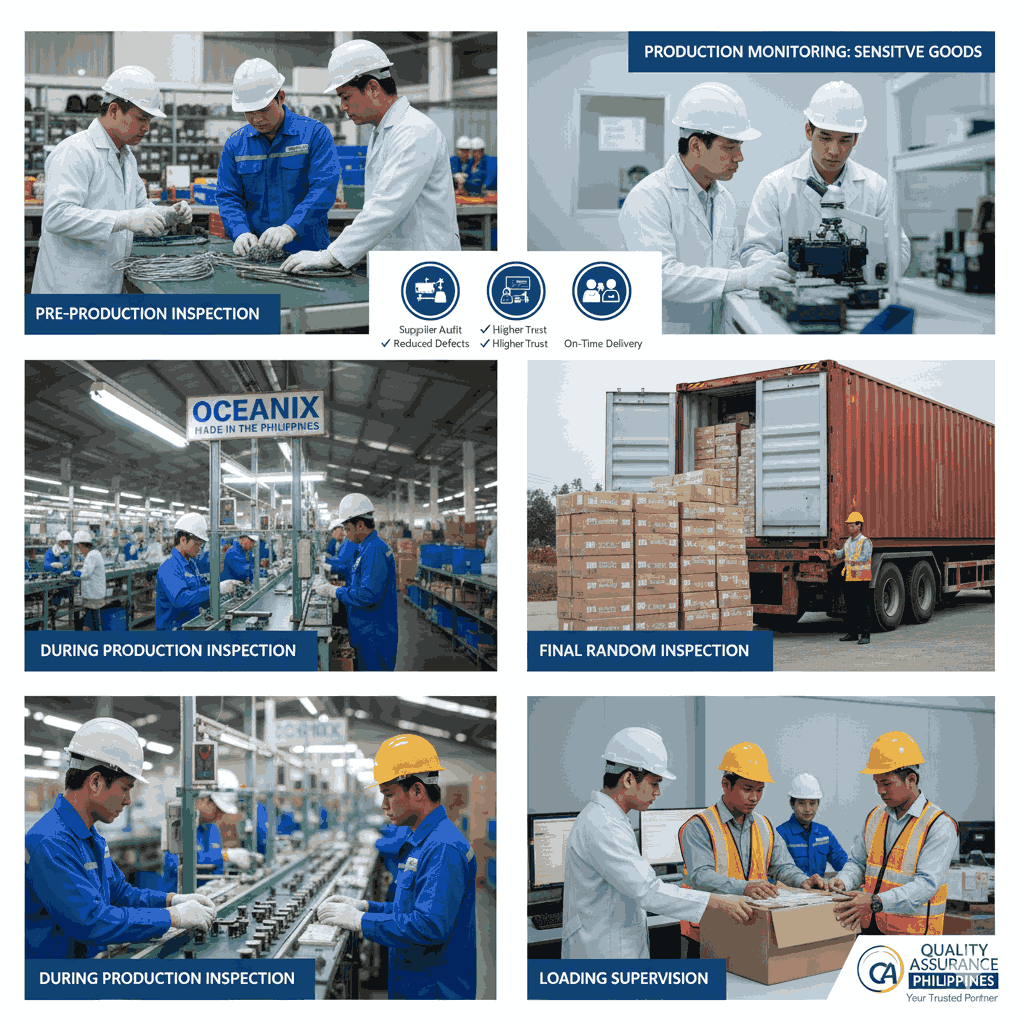
1. Pre-Production Inspection: A Smart Start
Starting strong means checking before anything is made. Pre-production inspection verifies raw materials and components before production begins. This step ensures that only approved materials are used. It prevents major issues from starting in the first place.
2. During Production Inspection: Catch Issues Early
One of the most important stages is during production inspection in the Philippines. This inspection happens once about 20% of the production is complete. Inspectors check product conformity and production processes to catch defects early. They observe workmanship, measurements, and production flow. Early detection means you can correct issues without huge delays or extra costs.
3. Final Random Inspection: Confirm Before Shipping
After production is nearly complete, a final random inspection checks batches for defects and packaging quality. This review ensures products meet your specifications before they are shipped or handed to customers. Most inspectors perform sampling based on internationally recognised standards.
4. Loading Supervision: Secure the Last Step
Even after inspection, problems can occur during packaging and loading. Loading supervision means having an inspector present while containers are packed and sealed. This level of oversight helps reduce mistakes such as incorrect items, poor packaging, or miscounts.
5. Production Monitoring: For Sensitive Goods
Certain products need tighter control throughout the process. With production monitoring, inspectors stay on site from inspection to shipping. This ensures strict adherence to quality standards and smooth handling of sensitive or high-risk products.
Quality Audits: Supplier and Factory Checks
Quality inspection isn’t limited to products. Quality audit services assess your supplier’s processes and facilities. These include:
- First assessment audit – check supplier capability and reliability
- Monitoring audit – ensure consistent performance over time
- Social audit – confirm ethical and safety standards in workplace conditions
Benefits of a Structured Inspection Process
A complete inspection plan brings several key advantages:
- Reduced defects and returns
- Better compliance with standards
- Higher customer trust
- Fewer production delays
With professional inspection support, you get detailed reports you can trust and use to make the right decisions.
Conclusion
A solid quality plan depends on systematic inspections. From pre-production to during production inspection in the Philippines and beyond, each step adds protection against defects and risks. Using trusted inspection services in the Philippines ensures products meet expectations and helps build long-term trust with your customers. Quality isn’t optional; it’s enforced through careful inspection at every stage.
RECENT POSTS
- How to Prepare for Production Inspection of Coconut Products
- How Quality Control Companies Ensure Coconut Export Quality Assurance
- Quality Control Companies for Coconut-Based Agricultural Export Growth
- Philippines Inspection Company’s Role in Coconut Product Quality Assurance
- During Production Inspection in the Philippines: Ensuring Coconut Product Quality
CONNECT WITH US – SOCIALLY


