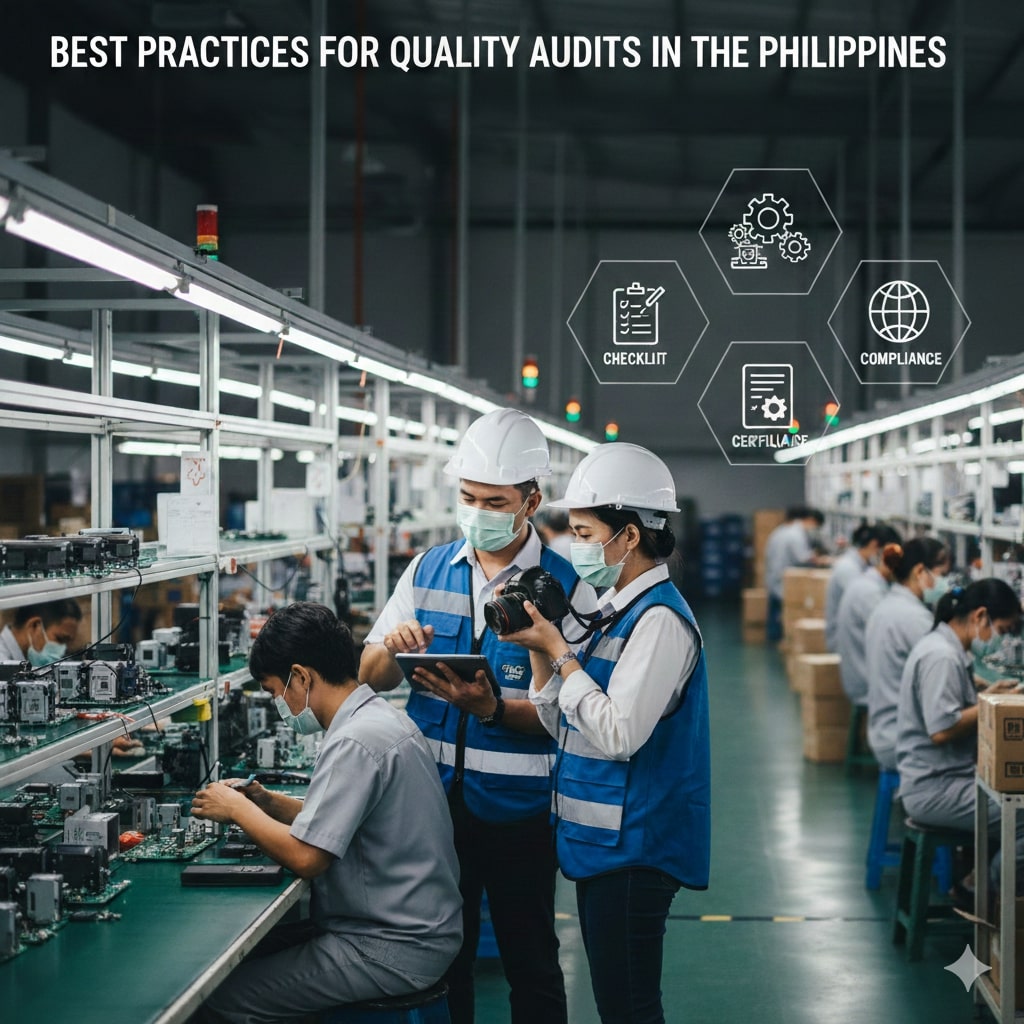
Best Practices for Quality Audits in the Philippines
Quality audits help companies protect product standards and supply chain integrity. For businesses that rely on suppliers or factories, Quality Audit Services Philippines are essential. They identify gaps, ensure compliance, and improve trust with partners and customers.
What Are Quality Audits?
A quality audit is a structured review of systems, processes, and records to check compliance with standards and requirements. In the Philippines, this includes checking factory capabilities, management systems, and ethical practices. These audits help confirm that your supplier can deliver consistent results.
1. Define the Audit Scope Early
The first step is clear planning. Decide what you will audit, such as production processes, management systems, or social compliance. Set measurable objectives so everyone knows what success looks like. Clear scope makes the audit efficient and avoids wasted time.
2. Use Standardised Checklists
Consistency is key. Use checklists based on widely accepted frameworks (ISO, SA8000, local regulatory guides) to ensure nothing gets missed. Standardised checklists help auditors stay focused and make audit reports easy to compare over time.
3. Validate Supplier Credentials
Before the audit starts, confirm supplier details and capabilities. In the Philippines, reputable providers offer Quality Inspection Services Philippines that include initial production checks and monitoring. This helps you know if your supplier is legitimate and compliant before deeper audits begin.
4. Combine Technical and Ethical Checks
Good audits cover more than product quality. They assess working conditions, safety standards, and ethical practices on the shop floor. Social audits check compliance with labour standards and can reveal issues not obvious in a document review alone.
5. Train Auditors on Local Standards
Philippine manufacturing and compliance rules can differ from those in other regions. Select auditors with local expertise or train your team on regional norms. Understanding local compliance requirements boosts audit accuracy and relevance.
6. Use Real‑Time Findings
Don’t wait until after the audit ends to share results. Document issues as they are found. Real‑time reporting lets your supplier act quickly on critical defects or compliance gaps.
7. Follow Up with Corrective Actions
Audits aren’t valuable if nothing changes. After the assessment, produce a corrective action plan with clear deadlines. Track progress. If issues keep recurring, consider a monitoring audit to check improvement cycles.
8. Leverage Digital Tools
If possible, use digital tools to record audit findings and track trends over time. Digital records help you compare audit results across different suppliers and locations. These insights inform smarter procurement decisions.
9. Report Clearly and Visually
Audit reports should be clear and actionable. Use photos, charts, and concise notes so stakeholders can quickly understand what was found and what is needed. Good reporting saves time and avoids misinterpretation.
10. Build Continuous Improvement into Your Culture
Quality audits in the Philippines should not be a one‑off event. Build a culture where audits support ongoing improvement. Regular audits encourage suppliers to maintain high standards and align with your expectations.
Conclusion
Following these core practices strengthens your quality assurance strategy and protects your business. Whether you use internal teams or external partners, structured quality audits build trust and ensure compliance. Investing in reliable Quality Audit Services Philippines and related inspection support pays off with better products and stronger supplier relationships.
RECENT POSTS
- How to Prepare for Production Inspection of Coconut Products
- How Quality Control Companies Ensure Coconut Export Quality Assurance
- Quality Control Companies for Coconut-Based Agricultural Export Growth
- Philippines Inspection Company’s Role in Coconut Product Quality Assurance
- During Production Inspection in the Philippines: Ensuring Coconut Product Quality
CONNECT WITH US – SOCIALLY


